A leaning tree is hard to ignore once you see it, especially when it’s over the driveway or hanging toward the roofline. If you’re searching for Tree Removal in Greer, SC, odds are you’ve got something visible right now, like lifted soil at the base, cracking limbs, or a trunk that just doesn’t look right. Around Greer, SC, we see plenty of yards where one big tree sits close to the house, the fence, and the power drop all at once. That’s where smart planning matters, because one bad cut can turn a problem into a mess fast. Our job is to get it down safely and leave you with a usable yard again.
What Influences the Cost of Tree Removal in Greer, SC
Most folks want a straight answer on price, and we get it, because the tree is still sitting there while you’re trying to make a decision. The biggest driver is the actual tree size and how much wood we have to control as it comes down. A tall hardwood near a home on Buncombe Road is a totally different animal than a smaller tree with an open drop zone in the back. When we quote, we’re thinking about safety first, then the time and equipment it takes to do it without tearing up your property.
Access is the next thing that moves the number around, because equipment can’t teleport into a backyard. Tight gates, soft ground, and a long haul to the curb all affect job access and how we stage the work. If we can’t get a truck close, we may have to rig and hand-carry more material, and that adds labor. We’ll be honest about what we can and can’t do with your layout before anything starts.
What you want done after the tree is down matters too, and it’s often where confusion shows up. Some homeowners want the trunk and brush hauled off, and others want the wood left for splitting, but either way debris hauling changes the scope. Stump grinding is another common add-on, and it’s priced separately because it’s a different machine and a different set of risks around utilities. We’ll walk you through those options so you’re not guessing from a photo or a quick text exchange.
- Tree height, trunk diameter, and the weight we have to control
- Backyard access, gate width, slope, and how far debris must travel
- Cleanup choices like haul-off, wood stacking, and stump grinding
Why the Same Service Can Vary by Property
Two trees can look similar from the street and still require totally different approaches once we’re in the yard. The difference usually comes down to rigging needs when limbs are over roofs, sheds, fences, or a neighbor’s side yard. In neighborhoods where lots are tighter, we often have to take the tree down in controlled sections instead of dropping it whole. That’s slower work, but it’s the safe way when there’s no clean landing zone.
Ground conditions change everything, and you can usually see the clues before we even start. When soil stays soft or rutted near the base, ground pressure becomes a concern for machines and for where we can safely stage wood. If you’ve got decorative edging, irrigation, or a septic area, that also impacts where equipment can travel. We’ll talk it through on-site so the plan fits your property instead of forcing your yard to fit our plan.
Utilities are another big reason tree removal isn’t one-size-fits-all, especially when a tree is near service lines. Even when you think it’s clear, a hidden low line or a tight span can change the cut plan because line clearance isn’t something you gamble with. We pay attention to where the power drop comes to the house and how the canopy sits over it. If a tree is tangled into lines, we’ll tell you what’s realistic and what requires coordination before we start cutting.
- Sectional removal when a tree is boxed in by structures or fences
- Machine limits based on soft ground, slopes, and sensitive areas
- Extra planning when limbs are near service lines or roof edges
Questions to Ask Before Work Starts
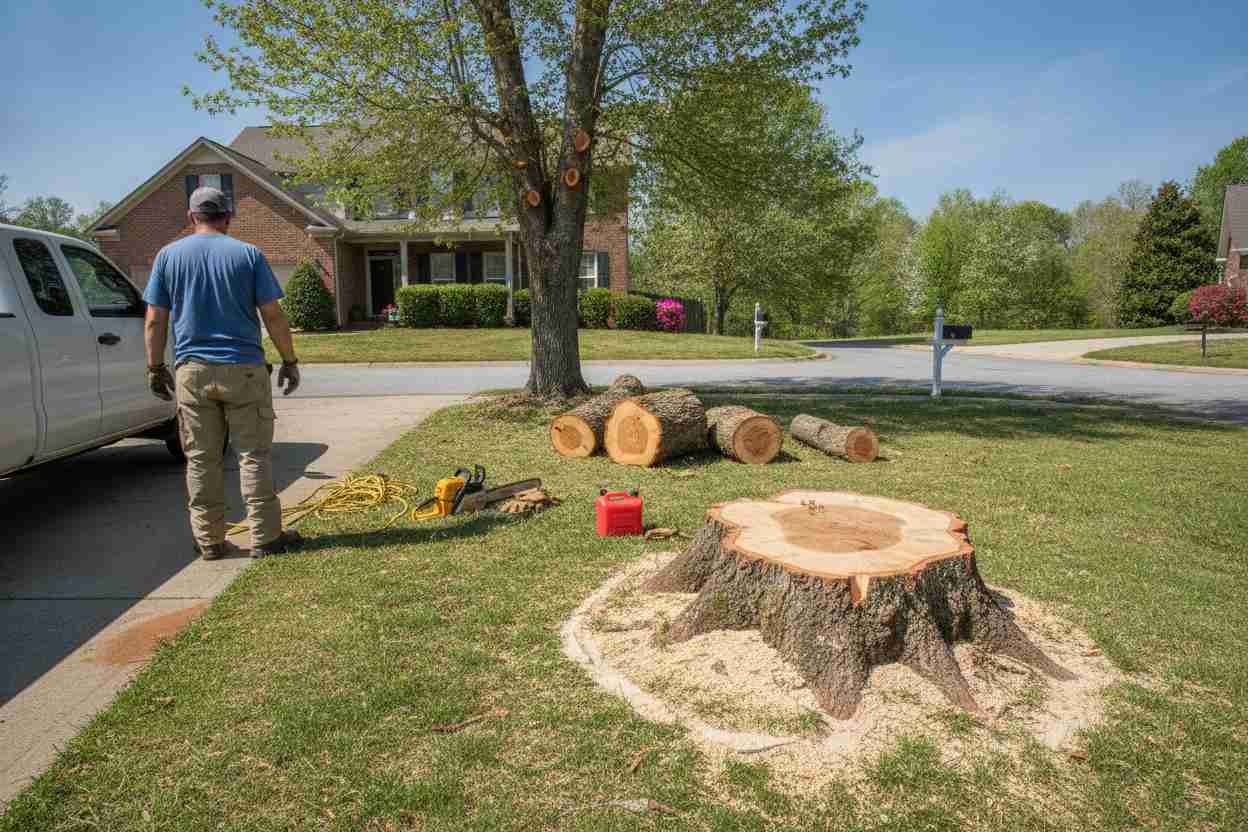
If you’re hiring Tree Removal in Greer, SC, the best thing you can do is ask the questions that prevent surprises later. You want to know whether the plan is a full drop or a sectional take-down, because removal method affects time, noise, and where wood will land. We’ll explain how we’re controlling the top and what the drop zone is, even if it’s just a narrow strip between the driveway and the lawn. A clear plan makes the day go smoother for everybody.
Cleanup is another place homeowners get burned, so it’s worth spelling out before the saw starts. Ask what happens to brush, logs, and the fine mess like twigs and chips, because site cleanup can mean different things to different crews. We prefer to be specific about what’s hauled, what’s left, and what’s raked and blown off hard surfaces. That way you’re not standing there after the job thinking you paid for something you didn’t get.
It also helps to talk through what could change once the work begins. If we find internal rot, an unexpected lean, or a limb that’s hung up tighter than it looked, scope changes may be necessary to keep it safe. We’ll communicate those changes on-site instead of just pushing forward and hoping it works out. That’s how you avoid rushed decisions and damage to the parts of your property you actually care about.
- Are you dropping the tree whole, or taking it down in sections?
- Exactly what cleanup is included, and what’s optional?
- What would cause the plan or timeline to change mid-job?
How We Keep the Scope Clear
We’ve learned that most frustration comes from assumptions, not from the work itself. Before we start, we walk the property and point out the real constraints, like fence lines, patios, parked vehicles, and anything fragile, because site walkthrough prevents last-minute scrambling. We’ll also talk through where debris is going and how we’re getting equipment in and out. It’s not fancy, but it’s the difference between a controlled job and a chaotic one.
We also spell out what’s included and what’s not in plain language. Things like stump grinding, root flare exposure, and extra haul-off are common add-ons, so we separate them instead of hiding them inside a vague number, because written scope protects both sides. If you want the wood stacked in a certain spot, we’ll talk about access and whether it’s realistic. Clear expectations beat apologies every time.
On the day of removal, we keep the plan tight and the work area organized. We set a drop zone, watch for foot traffic, and keep an eye on overhead lines and structures, because work zone control is what keeps accidents from happening. You’ll hear saws, you’ll feel the thump of wood hitting where it’s supposed to, and you’ll see us adjust as the tree opens up. That’s normal, and it’s part of doing it safely instead of rushing it.
- Walk the yard and mark the safest drop and staging areas
- Confirm what’s included: haul-off, stacking, and stump options
- Maintain a controlled work zone from first cut to final cleanup
Types Of Projects We Do
Tree removal isn’t always about a totally dead tree, even though that’s a common one. We’re often called when a healthy-looking tree has a crack, a big limb failure, or a lean that makes folks nervous, and that’s where hazard trees come into play. If it’s threatening a roofline, driveway, or a kids’ play area, removal can be the cleanest solution. We’ll explain why we think it’s removable versus trimmable, and we won’t pretend every tree needs to come down.
Some removals are about space and function, not just danger. When a tree keeps rubbing a roof, shading out grass, or crowding a fence line, property clearing becomes the goal so the yard works the way you need it to. We see this a lot on lots with mixed use, like a backyard that’s trying to be a garden, a play space, and a parking area all at once. Removing the right tree can make everything else easier to maintain.
We also handle removals that require careful cutting because the tree is boxed in. If a trunk is close to the house or hanging over the driveway near Wade Hampton Boulevard, sectional removal is usually the safest approach so nothing free-falls into gutters, shingles, or vehicles. That means more rigging, more controlled lowering, and more attention to the landing zone. It’s precise work, and it’s why experience matters more than speed.
- Dead, declining, or storm-damaged tree removal
- Problem trees crowding structures, fences, and usable yard space
- Tight-area removals requiring rigging and controlled lowering
Local Permits That May Apply to Your Project
Permits and approvals can come into play depending on where your tree sits and what type of neighborhood rules apply. In Greer and across Greenville County, some properties fall under HOA guidelines, and some areas have special considerations for trees near roads, sidewalks, or drainage, which can affect local permits and timing. We don’t guess on this stuff, because guessing can get you stuck mid-project. If you’re unsure, we’ll tell you what to check before we schedule the work.
Street-side trees can be tricky, especially if they’re close to a right-of-way or in an area maintained by someone other than the homeowner. If a tree is near the curb line, a sidewalk, or impacts sight lines, right of way rules may apply and you may need to coordinate with the proper authority. The goal is to avoid a situation where the tree is half handled and someone flags it after the fact. Getting clarity first keeps the removal straightforward.
If you want to confirm what applies locally, the safest move is to start with the city’s official guidance and then work backward to your exact address. The City of Greer’s website is the right place to look for contact info and direction, and it’s better than relying on neighbor advice, because city guidance changes as projects and policies change. You can start here: City of Greer official site. Once you know what’s required, we can plan the removal around it without wasting your time.
- Check for HOA rules that restrict tree removal or require approval
- Confirm whether a tree is near a right-of-way or shared area
- Use official city resources to verify requirements before scheduling
Why Homeowners Work With Drop-a-Top Tree Service
When you’ve got a tree that needs to come down, you’re not just buying saw time. You’re buying judgment, planning, and a crew that knows how to keep the job controlled, and that’s where safe removal matters most. We’ve been doing this kind of work for 10 years, and we’ve learned that the cleanest jobs are the ones where the plan is clear and the cuts are deliberate. We’ll tell you what we’re doing and why, in plain homeowner language.
We also understand that your yard isn’t a blank worksite, it’s where you park, grill, and let the dog out. We use practical protection and staging so we’re not dragging brush across everything, because property respect is part of the service, not an upgrade. You’ll see us keep paths clear, stack material intentionally, and avoid turning your lawn into a mud track when it’s avoidable. It’s blue-collar work, but it should still look organized.
Communication is what keeps the stress down, especially when you’re standing there watching a big tree get smaller in real time. We talk through what you’ll hear and see, what the drop zone is, and what the cleanup will look like, because clear communication prevents that uneasy feeling of not knowing what’s next. If something changes, we say it out loud and we explain the options. That’s how homeowners stay in control of the decision even after the first cut.
They walked me through how they’d take it down in pieces since it was over the driveway, and it matched what actually happened. The crew worked steady, cleaned up the small stuff better than I expected, and didn’t leave ruts where they didn’t need to. The estimate wasn’t the cheapest, but it felt fair once I saw how tight the space was. customer feedback helps other homeowners know what to expect, and we take it seriously when people notice the details.
- Deliberate planning for tight spaces near homes, fences, and driveways
- Organized work with realistic protection for lawns and landscaping
- Clear explanations before and during the removal, not after
Cost and Service Questions Answered
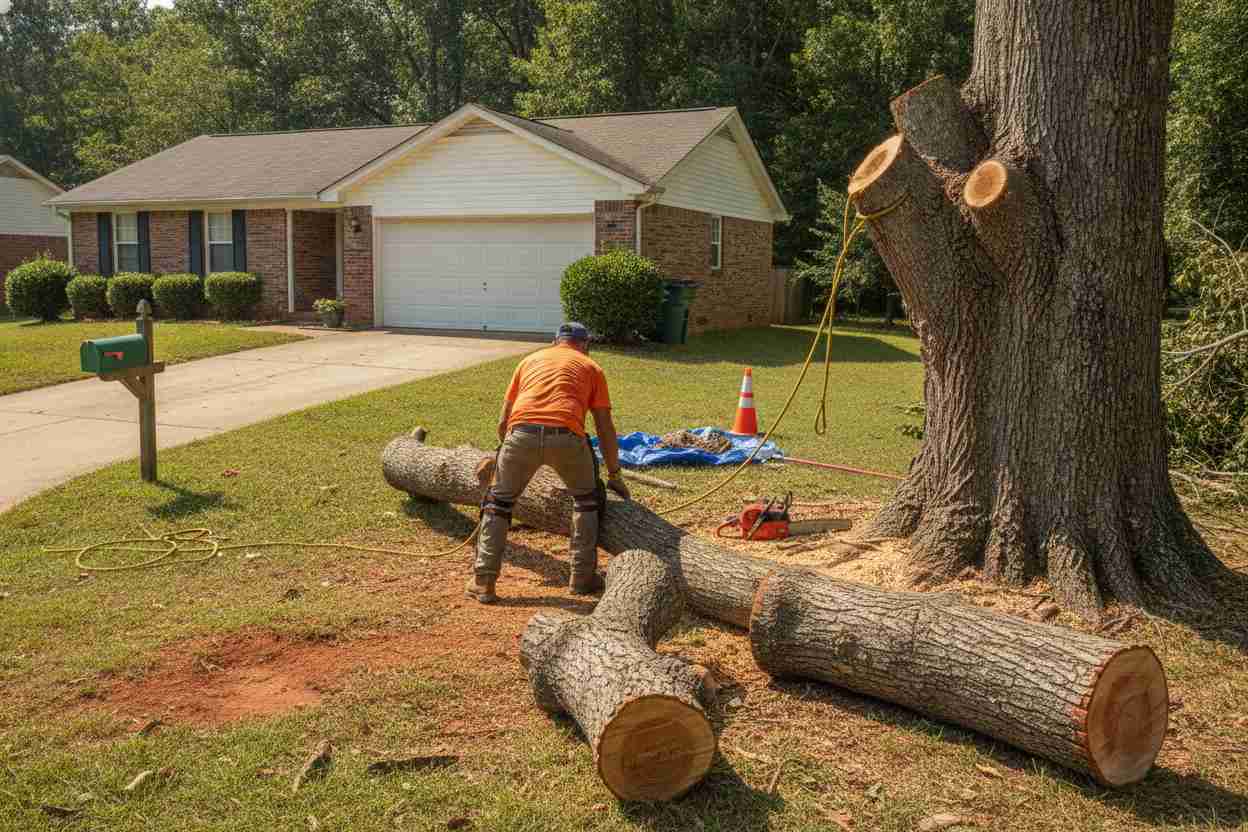
If you’re comparing quotes, make sure you’re comparing the same scope. A lower number may not include haul-off, may skip fine cleanup, or may assume a different approach, and that’s where quote details matter. We’d rather explain the line items than win a bid with a vague promise. When you understand what’s included, you can make a decision that doesn’t bite you later.
Timing is another common question, especially when a tree is visibly risky. The actual work can be quick once we’re set up, but scheduling window depends on crew availability, access constraints, and what prep needs to happen on your end, like moving vehicles or unlocking gates. We’ll give you a realistic window and show up with the right equipment for the plan. Rushing the schedule is one of the easiest ways to invite mistakes.
Homeowners also ask what they should do before we arrive, and it’s usually simple stuff. Clear the driveway, move fragile planters, and keep pets inside, because job prep makes the work safer and faster. If you’ve got sprinklers, a septic area, or anything buried you’re worried about, tell us up front so we can plan around it. The goal is no surprises for either side.
- Compare quotes by cleanup level, haul-off, and removal method
- Expect scheduling to depend on access and safe work conditions
- Prep by clearing access and sharing concerns about buried features
If you’ve got family in another part of the county and they’re dealing with a similar situation, we also help there. Sometimes it’s easier to review options side-by-side, especially if you’re coordinating for a relative or managing more than one property, and service coverage can make that simpler. You can see our related page for Tree Removal in Easley, SC and compare what to expect based on access and layout. The basics are the same, but the property details always matter.
Local Service FAQs
How do I know if I actually need Tree Removal in Greer, SC?
If the tree is leaning more than it used to, dropping large dead limbs, or showing soil lifting and cracking around the base, that’s usually a sign you should get it evaluated soon. In Greer, SC, we also see trees that look fine up top but have hidden decay lower on the trunk, and that can change the risk fast. The safest move is a site look so the plan is based on what the tree is doing, not just what it looks like from the street. risk signs are often visible if you know where to look, and we’ll point them out clearly.
What’s the difference between trimming and full removal?
Trimming reduces weight and clears structures, while removal eliminates the tree and the ongoing risk. If the trunk is compromised, the lean is worsening, or the tree is in a spot where future growth will keep causing problems, removal is often the practical answer. We’ll explain when trimming is reasonable and when it’s just delaying the same decision, because pruning vs removal depends on structure, species, and location. Either way, the goal is a safer property and fewer surprises.
Will you remove the stump too?
We can, but stump grinding is usually a separate step because it uses different equipment and the scope depends on how deep and wide the stump is. If you’re planning to replant, seed, or put in a patio area, grinding is typically worth doing so you’re not fighting roots later. We’ll talk through depth, chip handling, and what the ground will look like afterward, since stump grinding affects the finished grade. If you’d rather leave it, we’ll make sure it’s cut low and clean.
How long does a typical removal take?
Some removals are done in a few hours, and others take longer when the tree has to come down in sections or debris has to be hauled a long distance. Tight access, heavy rigging, and careful lowering near roofs or service lines add time, and that’s normal for safe work. We’ll give you a realistic expectation once we see the yard, because job duration is tied to access and complexity more than the tree’s height alone. The priority is controlled cuts and a clean finish, not rushing to beat the clock.
If you’re staring at a problem tree and you just want it handled without drama, we’re ready to help. We’ll look at access, nearby structures, and the safest way to get the tree down without turning your yard into a disaster zone, because tree removal should feel controlled from start to finish. When you’re ready, reach out to Drop-a-Top Tree Service and we’ll talk through the next step for Tree Removal in Greer, SC. We’ll keep it practical, clear, and focused on what your property actually needs.